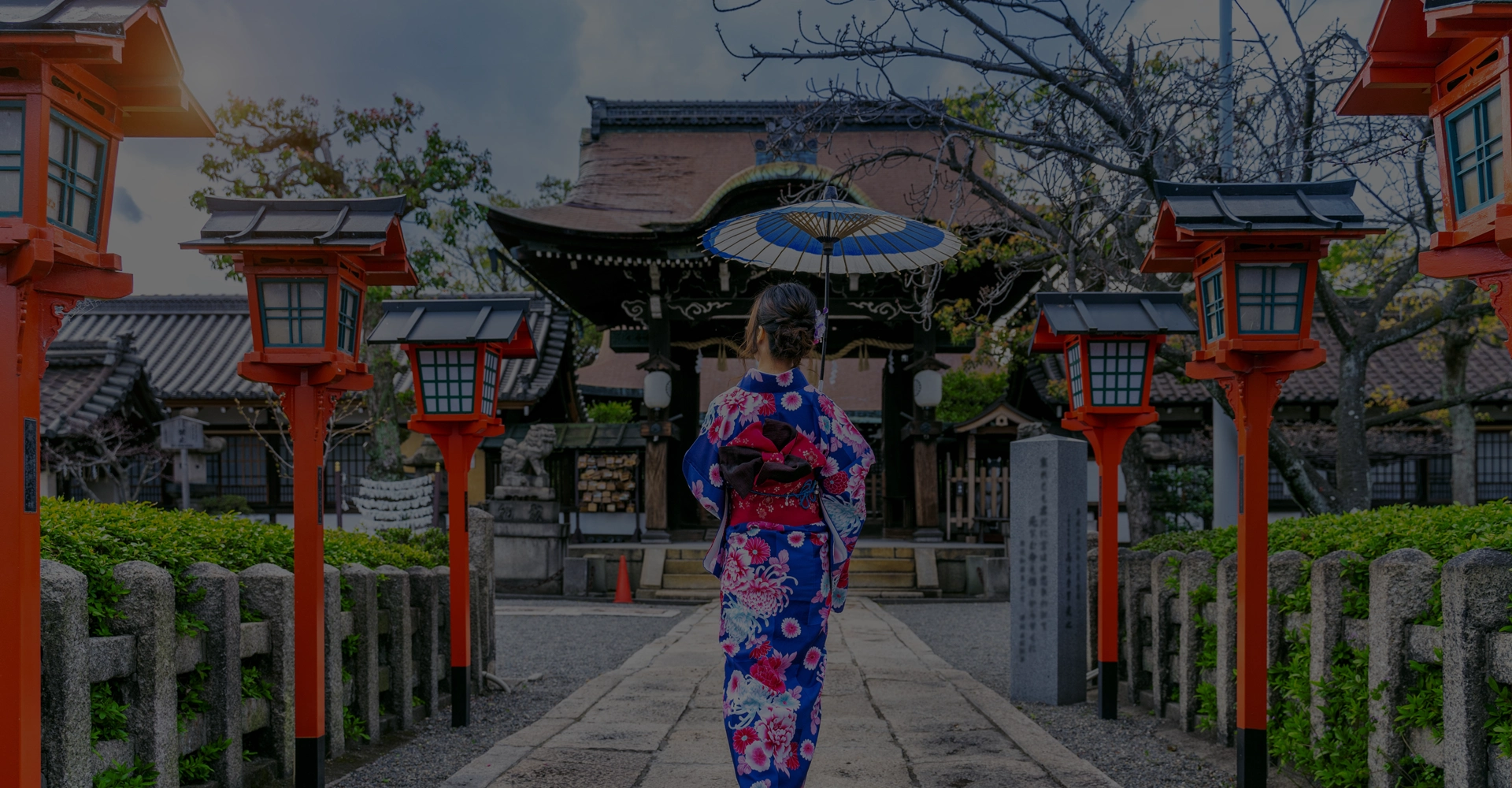
Navigating life and travel in Japan
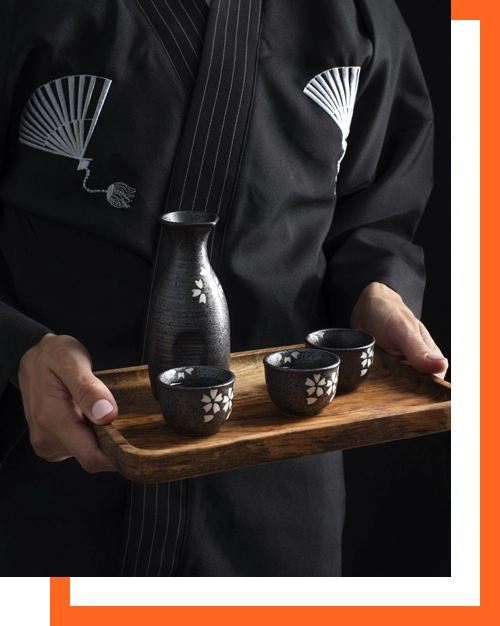
Adapting to daily habits and social etiquette

Public space manners
Silence remains golden on trains and inside crowded public spaces.

Indoor entry protocols
Removing shoes at entrances signals respect for the cleanliness inside.
Understanding local nuances transforms a simple visit into a genuine cultural exchange. The concept of omotenashi dictates high hospitality standards, while complex waste separation rules in residential areas are strictly followed. Respecting distinct queues and avoiding eating while walking are small actions that align visitors with the rhythm of local life.
Exploring regional diversity across the Islands
Beyond the capital
Key regions for immersive exploration
The geography of the archipelago stretches from the snowy peaks of the north to the subtropical beaches of the south. Each region maintains a unique identity, offering travelers a vast array of climates and topographies. Navigating between these distinct zones reveals the true depth of the Japanese landscape beyond the metropolis.
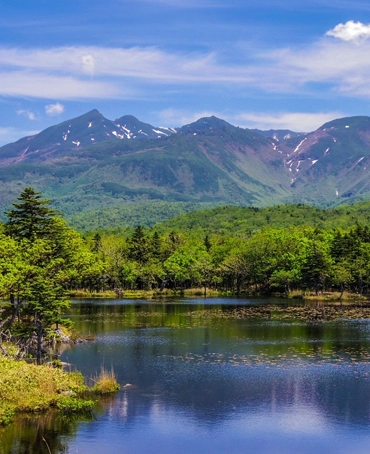
Northern landscapes offer pristine powder snow in winter and lavender fields in summer.
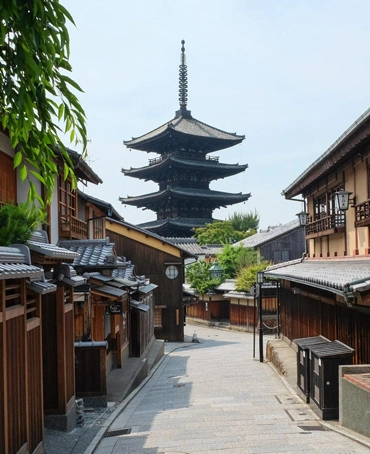
Ancient capitals preserve centuries of architectural heritage amidst bustling modern urban centers.
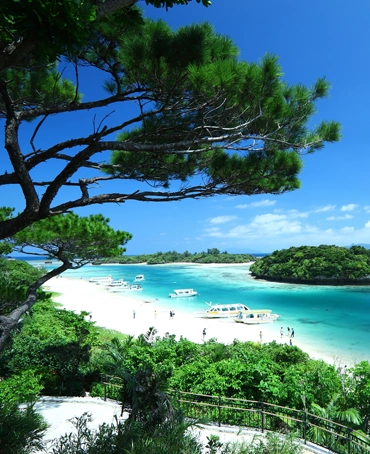
Turquoise waters and coral reefs define this southern paradise with distinct Ryukyu culture.

Shinto shrine rituals
Visitors bow at torii gates before washing hands for purification.

Traditional art forms
Tea ceremonies and ikebana flower arranging reflect a deep appreciation for mindfulness.

Seasonal festival events
Summer fireworks and autumn harvest processions celebrate the changing cycles of nature.
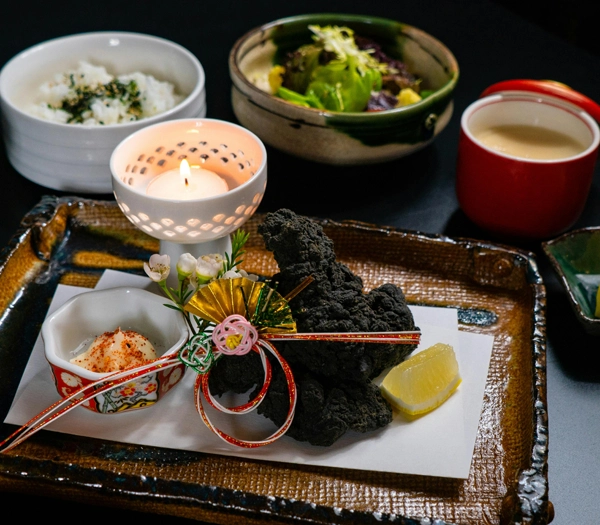
Culinary landscapes from street food to kaiseki
Gastronomy goes far beyond sushi, embracing regional specialties based on seasonal ingredients. Izakaya alleys serve grilled skewers and cold beer, while department store basements offer high-end bento boxes. Noodle dishes like ramen and udon vary by prefecture, reflecting the local climate and agricultural produce available in the surrounding area.
Engaging in unique activities and seasonal events
Participation in local activities provides a deeper connection to the culture than mere sightseeing. Hiking the pilgrimage trails of Kumano Kodo connects travelers with history, while attending a sumo tournament reveals the intensity of the national sport. Spring brings hanami parties under blooming cherry trees in parks nationwide.

Thermal bathing culture
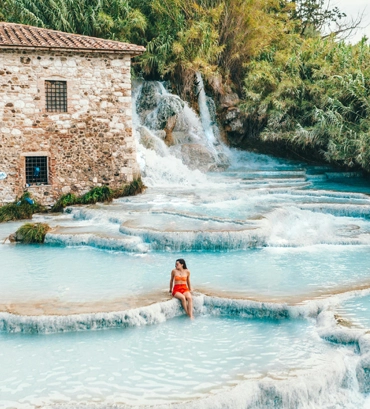
Natural hot springs or onsens provide relaxation and communal bonding in mineral waters.
Modern pop culture
Akihabara districts showcase the global influence of anime, manga, and gaming industries.
Zen meditation practice
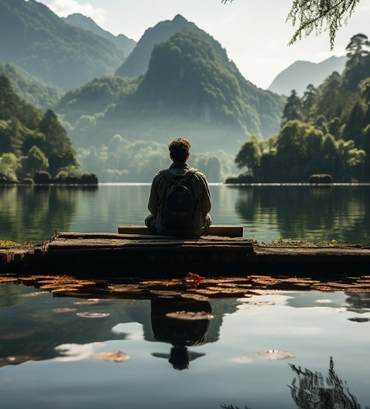
Temple stays offer opportunities to practice zazen meditation and copy sacred sutras.
Selecting accommodations for every travel style
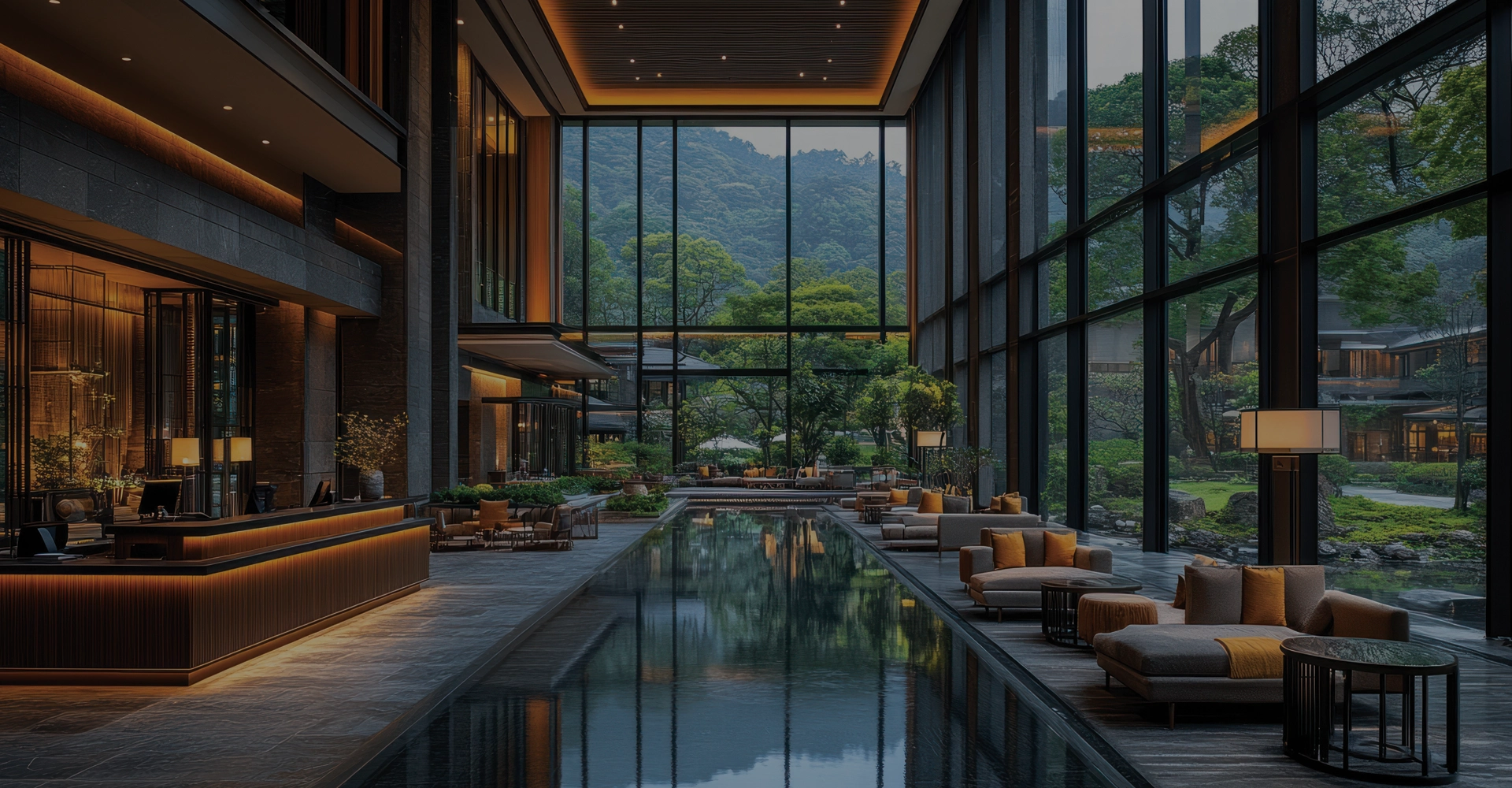
Lodging options range from futuristic capsule hotels maximizing efficiency to luxurious ryokans featuring tatami mats. Business hotels near train stations offer compact convenience for active travelers. Staying in a restored machiya townhouse allows visitors to experience traditional wooden architecture while enjoying modern comforts in historic districts like Kyoto or Kanazawa.